My heart broke as I watched my once-energetic mother struggle to take three steps. Then we found a simple solution that gave her back her independence.
?The hidden crisis of mobility in older adults
The statistics tell a sobering story: Every 11 seconds, a senior citizen visits the emergency room after a fall. My mom became part of this alarming trend when arthritis and balance issues turned a simple stroll into a terrifying ordeal. The psychological impact proved just as devastating as the physical limitations—the woman who once led community dances now refused to leave her recliner.
?Our game-changing discovery
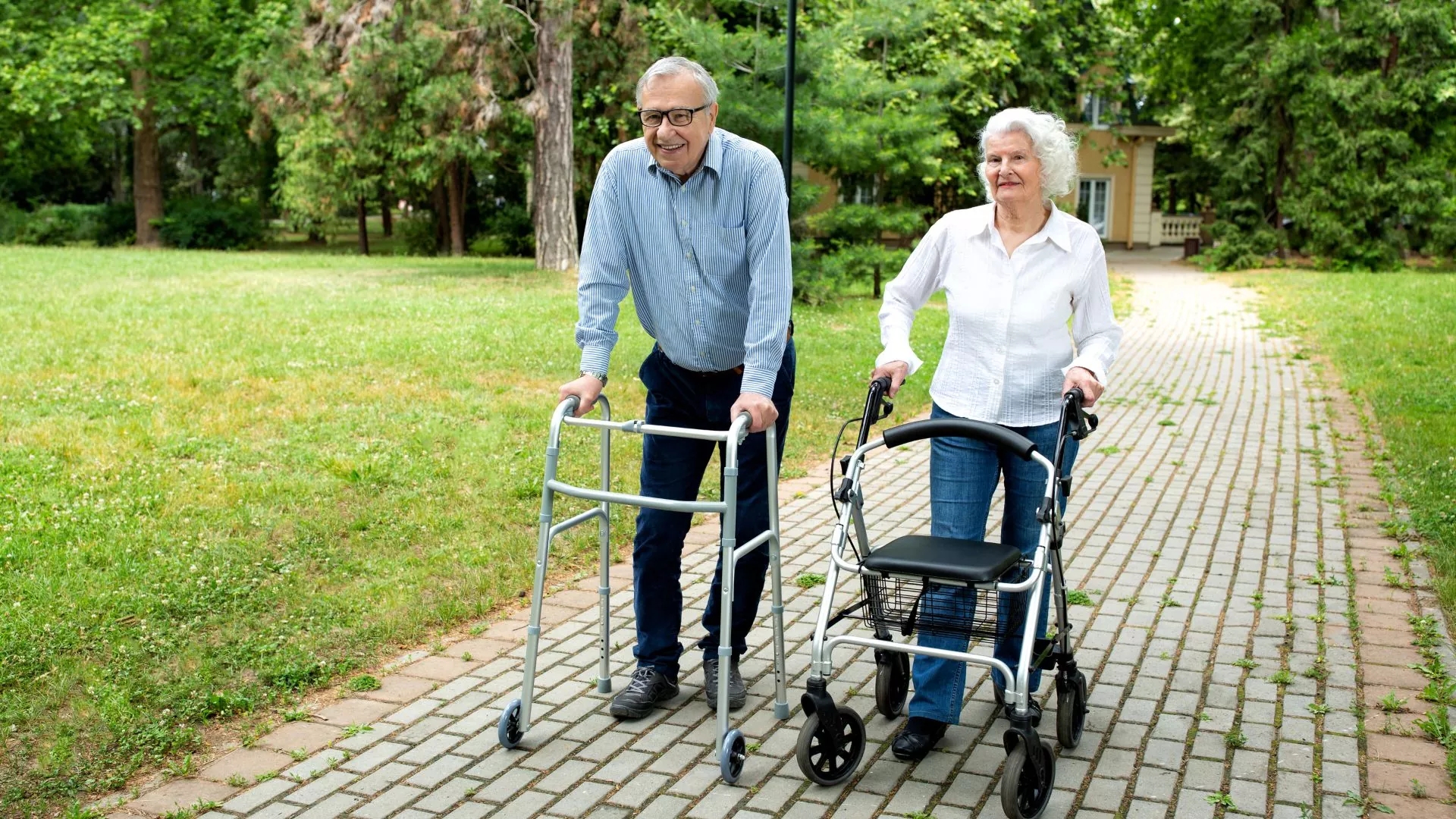
After months of research and consultation, we found an unexpected hero: a walker. This four-wheeled wonder with a built-in seat did what canes and traditional walkers couldn’t. The first time my mom used it to walk to our backyard garden, we both cried. Suddenly, she could:
• Go grocery shopping independently
• Attend family outings without fear
Regain the dignity of walking around the house without assistance
Why walkers are superior to other aids
?Modern walkers have evolved far beyond the basic walker. Today’s best models feature:
Smart braking system that activates automatically when weight is applied
Ergonomic handles to reduce joint stress
Lightweight frame (some weigh less than 15 pounds) that folds with one hand
All-terrain wheels for indoor and outdoor use
Clinical studies show that seniors who use walkers experience a 40% reduction in falls and significant improvements in gait patterns. The psychological benefits are equally impressive—users report feeling more confident and more socially engaged.
?Practical Tips for Caregivers
Throughout our journey, we learned several important lessons:
Proper fit is important—a poorly adjusted walker can do more harm than good. We worked with a physical therapist to ensure that the handle height and seat position were perfectly matched to Mom’s proportions.
Start small – we started with short trips down the hallway and then moved on to outdoor adventures. This step-by-step approach built both skills and confidence.
Personalize – letting mom choose the color of her walker (she picked cherry red) helped her see it as an empowering tool rather than a sign of restriction.
?Address common problems
Many people hesitate to adopt a walker due to misconceptions:
“They look formal” – Today’s designs range from sleek metallic finishes to patterns that resemble designer handbags.
“They’re too bulky” – Modern ultralight models fold easily into the trunk of a car, and some can even convert to transport chairs when needed.
“They’re a sign of decline” – Reframing the device as a tool for independence rather than dependence was huge for mom.
?The ripple effect of restoring mobility
The transformation goes far beyond physical movement. As Mom’s world expanded again, we noticed:
• Improved mood and cognitive function
• Renewed interest in hobbies and social activities
• Less stress on our family caregiving
A new chapter of possibilities
That simple walker didn’t just transform Mom’s mobility, it gave her a new lease on life. She’s now planning a cross-country trip to visit her grandchildren, something we couldn’t have imagined a year ago. For families facing similar challenges, understanding the right mobility solution can open doors you thought were closed forever.